Adanma Okwuchi
I build web applications that hold up under pressure. Angular enterprise apps with real architecture, React and Next.js frontends that ship fast, and the Node.js APIs that tie them together.
3 things
I'm proud of.
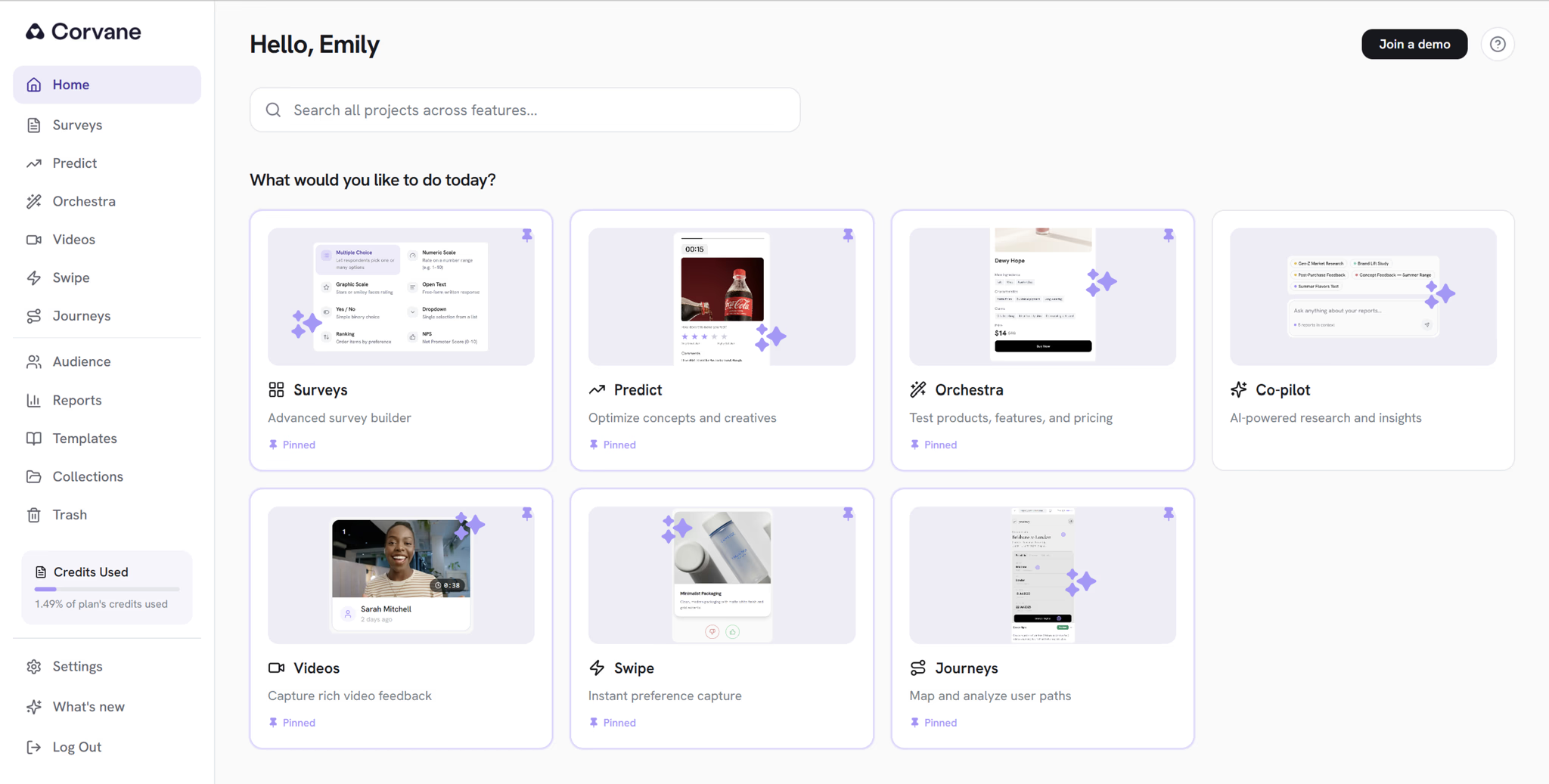
Corvane
Built and shipped a full-stack SaaS platform for automating customer research workflows — surveys, predictions, video studies, and swipe-testing — under a single product umbrella. Architected a multi-project-type system with shared types and refactored hooks, implemented AES-256-GCM encryption for survey participant data, and integrated NextAuth v5 with plan-based access controls and real-time session refresh. Stripe billing, AWS S3 brand asset storage, and Prisma over PostgreSQL.
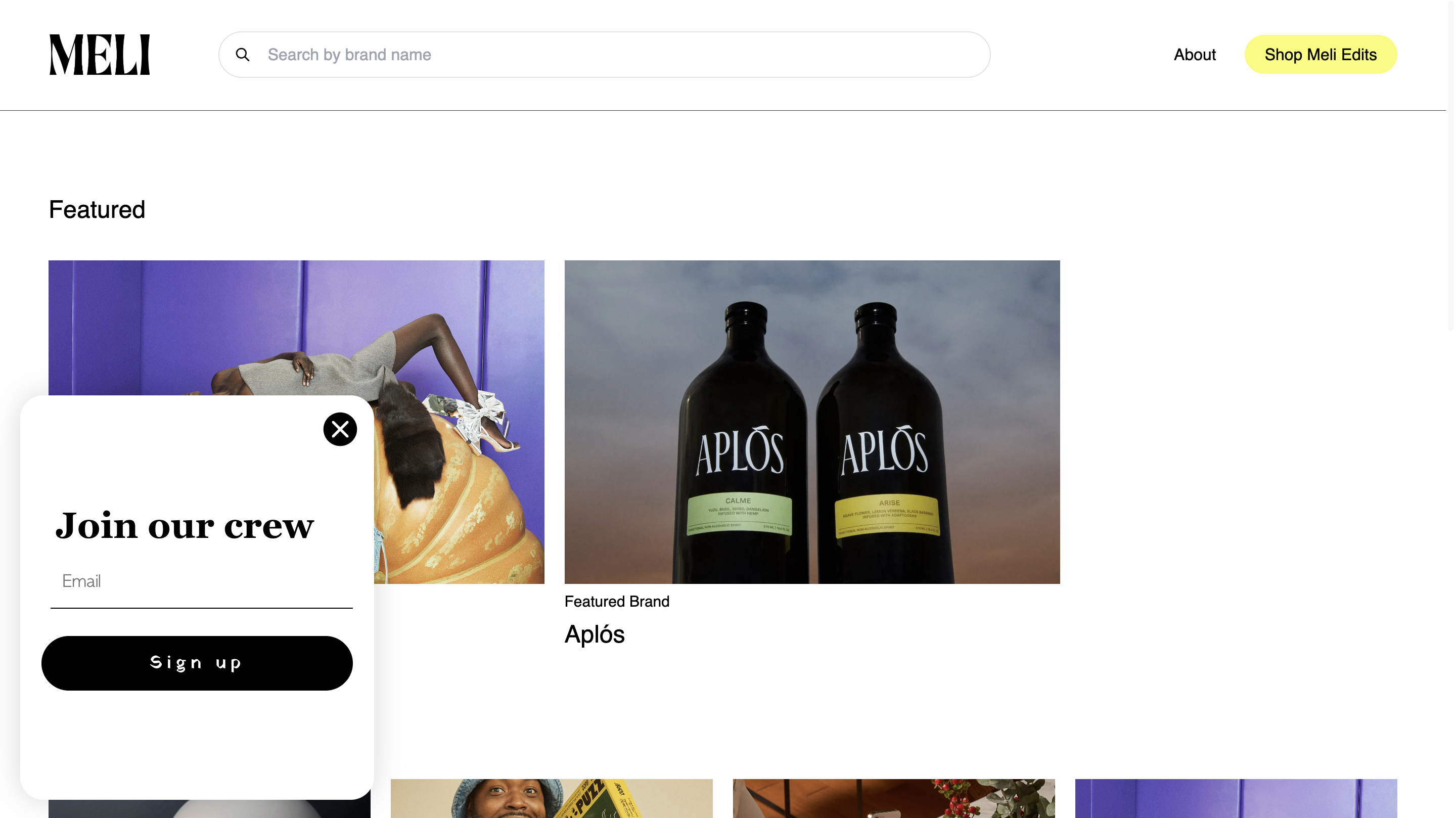
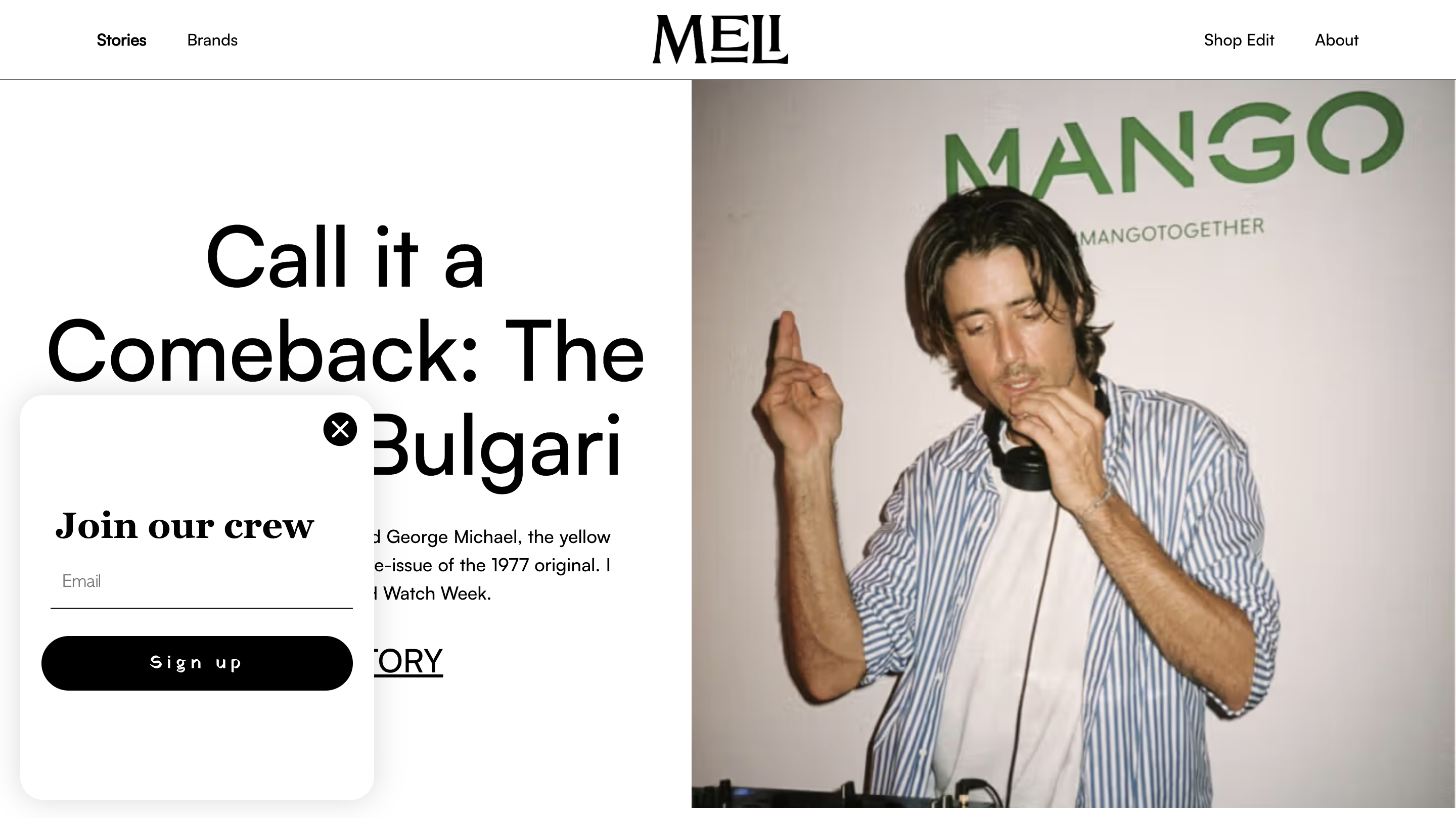
Meli
A curated discovery platform for influential and trend-setting brands. Built for effortless browsing with a content-rich frontend powered by Sanity and GraphQL.
How I build things.
Frontend
My default for greenfield work is React with TypeScript but I've shipped significant Angular applications and understand the framework's architecture deeply, not just its surface. I reach for Angular when the team is already there or when the scope justifies its structure. For server-rendered work, Next.js is my first choice.
I write CSS that holds up: mostly native modern CSS, occasionally Tailwind when the team already uses it. I've built component libraries from scratch and maintained ones that outgrew their original scope. Accessibility is a baseline, not an afterthought.
Backend & Infrastructure
On the server side I work primarily with Node.js Express for lean services, with structure added where the scope demands it. I'm comfortable owning a feature end-to-end: schema design, API contracts, deployment, and monitoring. I've shipped on AWS, Vercel, and know enough about each to make a sensible tradeoff.
I model data carefully. A good schema is worth three refactors. I've worked with PostgreSQL almost exclusively — I trust it, I know its edges, and I know how to keep queries fast as the data grows.
A bit more
about me.
I got into development by breaking things that were already working and then figuring out why. That habit stuck. Five years in, I still approach every codebase with the same curiosity: what's holding this together, and what's quietly about to snap. It's made me a better engineer than any tutorial did.
These days I split my time between a small number of freelance clients and, when the right team appears, full-time roles where I can go deep on a problem for a few years. I'm most useful in mid-stage companies where the product is real and the engineering team is small enough that your decisions actually stick. I ask the right questions early. I'd rather flag a risk than absorb one silently.
Outside of work: I read a lot, bake when I need to think, have strong opinions about how a codebase should be documented, and I'm currently learning AI development on the side — mostly for fun, but things have a way of becoming useful.
Let's talk — whether
you're hiring or have a project
that needs a good engineer.
I reply within a day. No discovery calls, no lengthy forms — just an honest conversation about what you need.